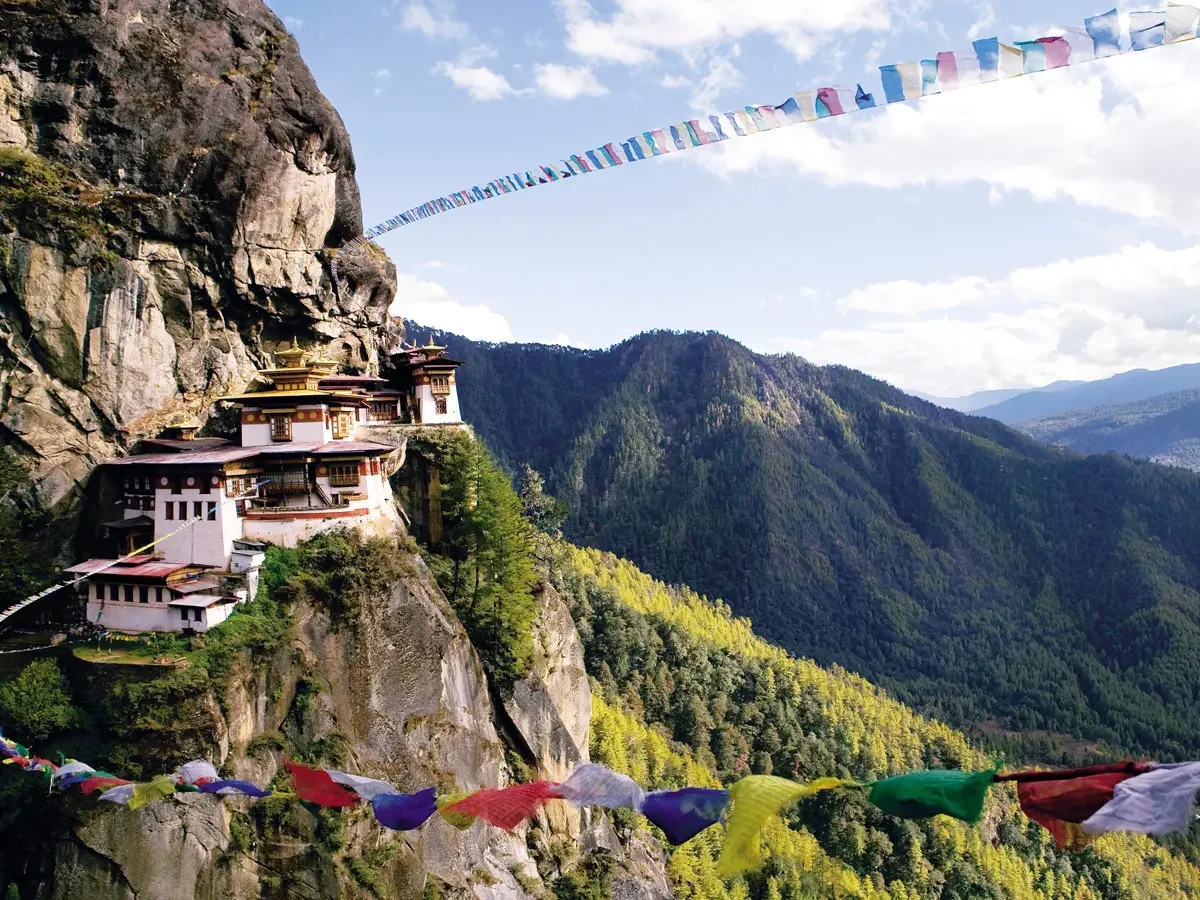
In a world that often measures success by GDP and rapid urbanization, there is a tiny Himalayan kingdom that chooses a different path. Bhutan, often referred to as the “Last Shangri-La,” has captured the global imagination not for its skyscrapers, but for its profound commitment to happiness, spirituality, and environmental preservation.
If you are looking for a travel experience that transcends mere sightseeing and touches the soul, here is why a journey to happiness in Bhutan should be at the top of your bucket list.
1. Gross National Happiness: A Different Philosophy of Life
Unlike any other nation, Bhutan prioritizes Gross National Happiness (GNH) over Gross Domestic Product (GDP). This isn’t just a marketing slogan; it is embedded in the country’s constitution.
Traveling through Bhutan, you will notice the pace of life is intentionally slower. The four pillars of GNH—sustainable development, environmental conservation, preservation of culture, and good governance—ensure that tourism remains “high value, low volume.” This policy prevents over-tourism, keeping the experience intimate and authentic for every traveler.
2. The Spiritual Heart of the Himalayas
Bhutan is a land where myths and legends are treated as history. Spirituality is woven into the fabric of daily life. From the fluttering prayer flags on high mountain passes to the rhythmic sound of prayer wheels, the atmosphere is thick with peace.
Must-Visit Spiritual Landmarks:
Paro Taktsang (The Tiger’s Nest): Perched precariously on a cliffside 900 meters above the Paro valley, this is Bhutan’s most iconic landmark. The hike up is a physical and spiritual pilgrimage.
Punakha Dzong: Known as the “Palace of Great Happiness,” this majestic fortress sits at the confluence of two rivers and is widely considered the most beautiful building in the country.
Kyichu Lhakhang: One of the oldest temples in Bhutan, offering a glimpse into the 7th-century roots of Himalayan Buddhism.
3. An Untouched Natural Paradise
Bhutan is the only carbon-negative country in the world. By law, at least 60% of the country must remain under forest cover for all time. For nature lovers, this means pristine air, crystal-clear glacial rivers, and lush green valleys that look like paintings.
Whether you are trekking the rugged Snowman Trek or taking a gentle walk through the Phobjikha Valley (the winter home of the rare black-necked cranes), the connection to nature is immediate and healing. It is a rare place where you can truly disconnect from the digital world and reconnect with the Earth.
4. A Culture Frozen in Time (But Not in the Past)
While Bhutan is modernizing, it does so with immense respect for its heritage. You will see locals wearing the traditional Gho (for men) and Kira (for women) as part of their daily attire. The architecture remains uniform and traditional, with intricate hand-painted woodwork decorating even the simplest homes.
The Vibrancy of Tshechus (Festivals)
If you time your visit right, attending a Tshechu is a life-changing experience. These religious festivals feature masked dances (Cham), traditional music, and colorful costumes. It is a time for communities to gather, receive blessings, and celebrate the victory of good over evil.

5. Authentic Bhutanese Flavors: A Spicy Adventure
Bhutanese cuisine is as unique as its culture. If you love spice, you are in for a treat. The national dish, Ema Datshi (chili and cheese), is served at almost every meal.
Organic Living: Most food in Bhutan is organic by default.
Suja: Try the traditional butter tea, a salty and warming beverage perfect for the high-altitude climate.
Red Rice: Grown in the fertile valleys, this nutty-flavored rice is a staple you won’t find anywhere else.
6. Sustainable Luxury and High-Value Tourism
Bhutan’s “High Value, Low Volume” tourism model includes a Sustainable Development Fee (SDF). While this makes Bhutan a more expensive destination than its neighbors, the funds go directly into free education, healthcare, and poverty alleviation for the Bhutanese people.
Furthermore, Bhutan offers some of the most exclusive boutique hotels in the world—such as Amankora and Six Senses—which blend ultra-luxury with traditional Bhutanese aesthetics and sustainability.
Practical Tips for Your Journey to Bhutan
When is the best time to visit?
Spring (March to May): The valleys are in full bloom with rhododendrons and wild flowers. The weather is perfect for trekking.
Autumn (September to November): The skies are crystal clear, offering the best views of the Himalayan peaks. This is also the peak season for major festivals.

How to get there?
Access to Bhutan is primarily through Druk Air or Bhutan Airlines, flying into Paro International Airport—one of the most challenging and scenic landings in the world. You must book your trip through a licensed tour operator to obtain your visa.
Conclusion: Why Bhutan Changes You
Traveling to remote islands or bustling metropolises can change your perspective, but traveling to Bhutan changes your heart. It challenges the Western notion that “more is better” and proves that a society built on kindness, environmental stewardship, and spiritual groundedness can thrive in the 21st century.
Bhutan is not just a destination; it is a sanctuary. It is a place that reminds us that happiness is not a destination we reach, but a way of traveling.
Are you ready to find your own path to happiness in the Land of the Thunder Dragon?